The extrusion forming method of stainless steel tee joint originally uses emulsified liquid as filling medium to meet the requirements of energy saving and environmental protection. The stainless steel tee joint extruded by this product is easy to clean. The emulsified liquid of filling medium in the pipe can be reused without causing pollution to stainless steel tee and environment. In addition, the invention originally wraps a plastic film on the stainless steel tee blank in advance, effectively prevents defects on the surface of the formed stainless steel tee joint, and significantly improves the processing quality of the stainless steel tee joint.
The extrusion forming method of SS304 BW Seamless Equal Stainless Steel Tee joint includes:
1) Prepare stainless steel pipe blanks with a plastic film on the surface;
2) The stainless steel pipe blank of the product is extruded to obtain the semi-finished product of the stainless steel tee joint. The filling medium in the filling system of the stainless steel tee is an emulsified liquid made of emulsified oil and water.
3) Solution treatment, surface grinding and grooving of semi-finished products of stainless steel tee joint.
 DIN 2635 PN40 Welding Neck Flange Dimensions
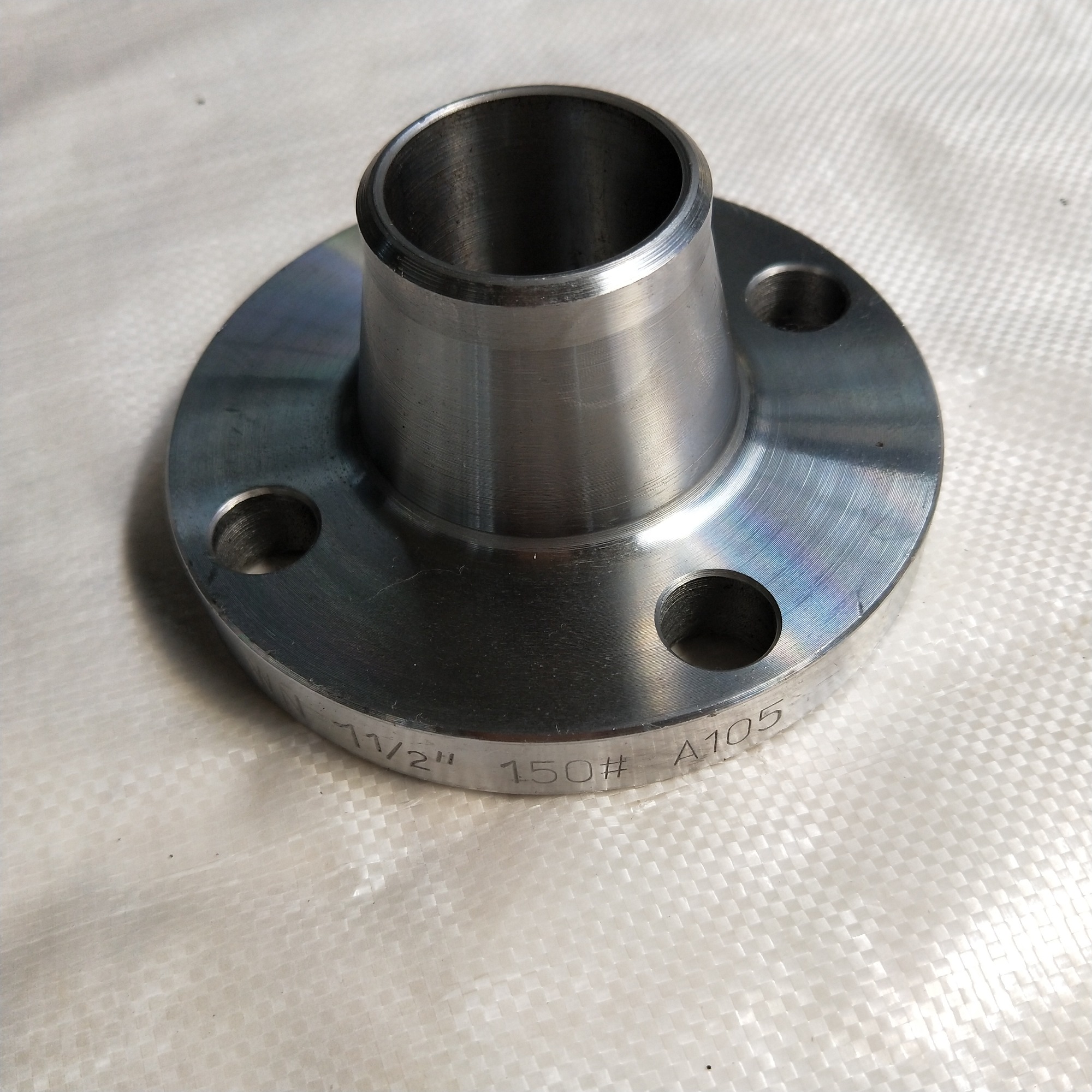 DIN 2634 PN25 Welding Neck Flange
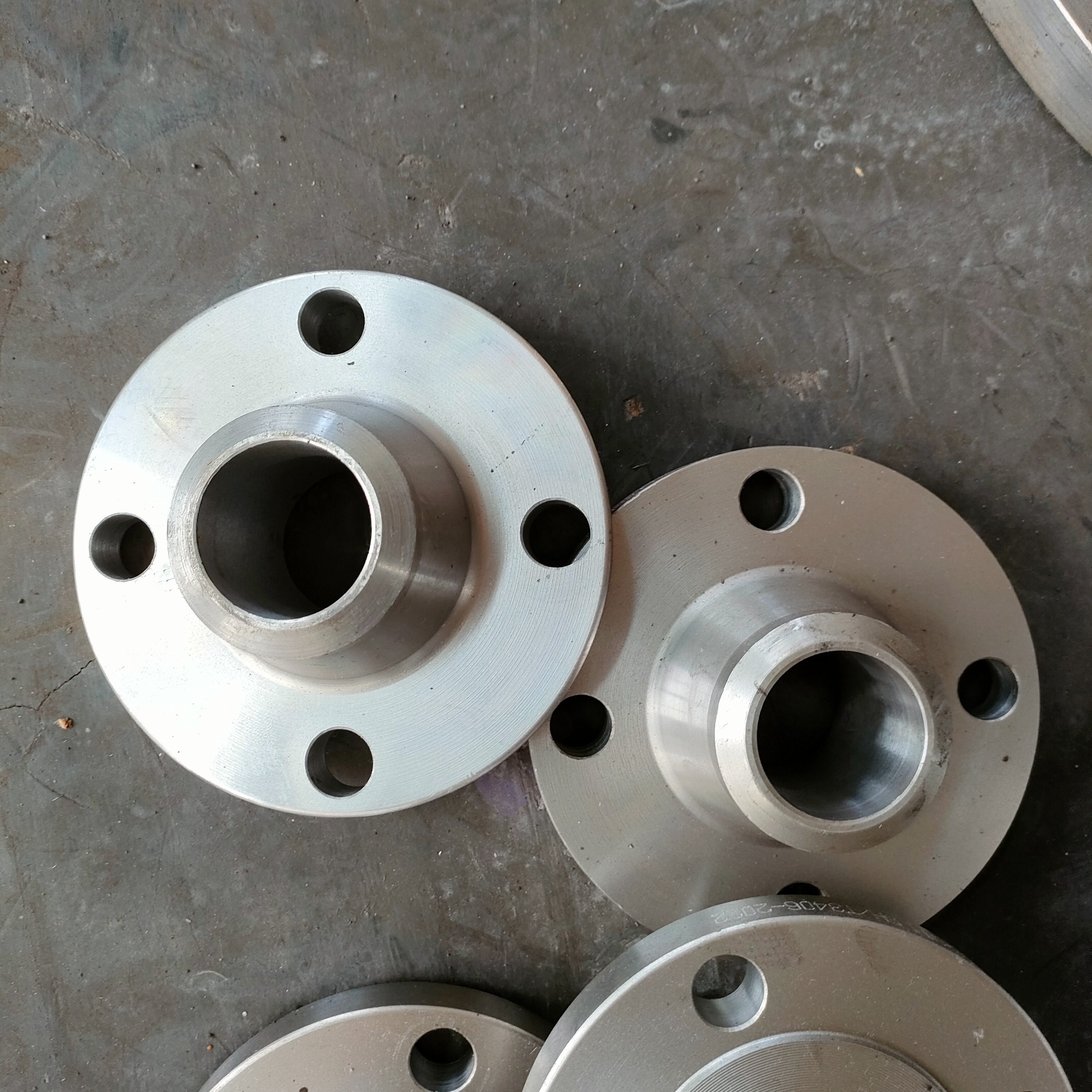 DIN 2632 PN10 Welding Neck/WN Flange Dimensions