Welding neck flanges and slip-on flanges are frequently used in petrochemical fluid pipelines, but their application areas differ. Due to their flange structures, welding neck flanges can be used in high-temperature, high-pressure, flammable, and explosive pipelines, while slip-on flanges can only be used in low-pressure pipelines.
Welding neck flanges, also called weld neck flanges (WN) or high-neck flanges in some places, are a common type of pipe fitting. They are flanges with a neck and a round pipe transition that is welded to the pipe. Welding neck flanges are not easily deformed, have good sealing, and are widely used. They have corresponding rigidity and elasticity requirements and a reasonable butt-weld thinning transition. The distance between the weld and the mating surface is large, protecting the mating surface from welding temperature deformation. The sealing surface of welding neck flanges is generally raised face (RF), concave face (FM), convex face (M), while tongue and groove is less common. Butt-welded flanges are suitable for pipelines with large pressure or temperature fluctuations, or high-temperature, high-pressure, and low-temperature pipelines. They are also used in pipelines transporting petroleum, chemicals, flammable, and explosive media. When connecting weld neck flanges to pipes, the welding method used is butt welding. The weld seam is similar to pipe welding; generally, for smaller pipe diameters, argon arc welding is used for the root pass, followed by manual welding for the cover pass; for larger pipe diameters, double-sided welding is used.
Slip-on flanges, also called plate-type slip-on flanges, are relatively inexpensive due to their simple structure and material savings. However, their rigidity and sealing performance are inferior to weld neck flanges. Slip-on flanges involve inserting the pipe into the flange and welding it. Because of their lower rigidity, slip-on flanges must not be used in flammable, explosive, or high-vacuum chemical process piping systems, or in highly hazardous or extremely dangerous environments. Slip-on flanges are widely used for connecting medium and low-pressure vessels and pipelines. They are suitable for fluid pipeline connections with a nominal pressure not exceeding PN2.5MPa. The sealing surface of slip-on flanges can be made into three types: lubricated, raised face, and tongue and groove. RF-face slip-on flanges are the most widely used, often in situations with relatively mild media conditions, such as low-pressure vessels, water supply networks, non-purified compressed air, and low-pressure circulating water.
To ensure the quality of its welding flanges and flat-face flanges, Shengtian Group provides rigorous testing on every flange before packaging and shipping. We consistently adhere to the principle of "quality first" in serving every customer. If you have any questions, please feel free to email us at sale@stpipefitting.cn
 DIN 2635 PN40 Welding Neck Flange Dimensions
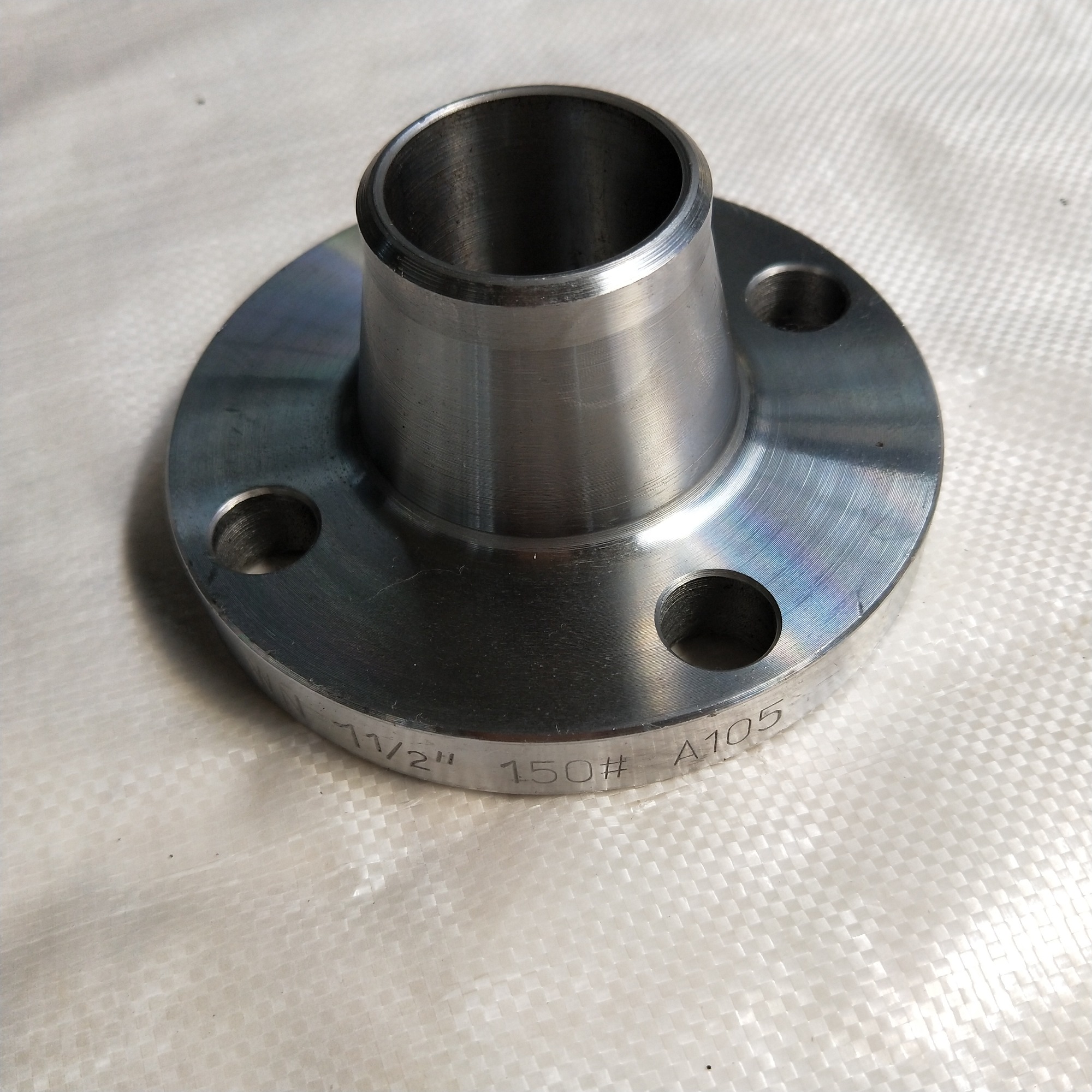 DIN 2634 PN25 Welding Neck Flange
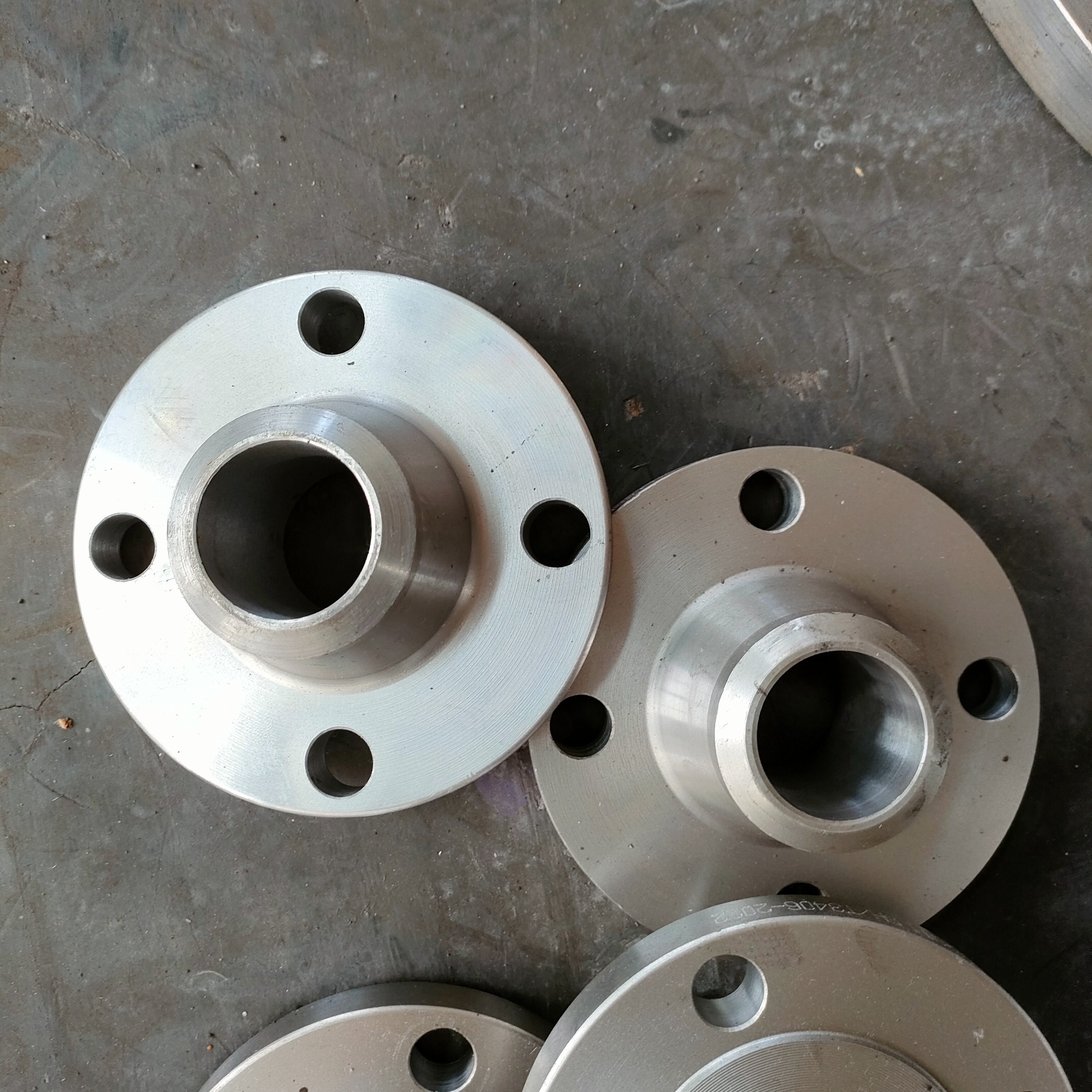 DIN 2632 PN10 Welding Neck/WN Flange Dimensions