Carbon steel elbow is a better choice. Due to its poor rigidity, it is suitable for occasions with pressure P ≤ 4MPa. Butt welding elbow, also known as high neck elbow, has high rigidity and is suitable for occasions with high pressure and temperature.
The manufacturing cycle is shortened and the production cost is greatly reduced. Because no special equipment is required, it is especially suitable for on-site processing of large carbon steel elbow. The blank is flat plate or developable curved surface, with simple blanking, easy accuracy assurance and convenient assembly and welding.
In order to prevent eye erosion caused by heating during welding of welded elbow, the welding current should not be too large, about 20% smaller than carbon steel electrode, the arc should not be too long, the interlayer should be cooled quickly, and narrow weld is recommended.
The welded elbow has high hardenability after welding and is easy to crack. If the same type of welded elbow is used for welding, it needs to be preheated above 300 ℃ and slow cooling treatment of about 700 ℃ after welding.
The iron oxide formed on ordinary carbon steel is continuously oxidized, which expands the corrosion and finally forms holes. When the arc starting section of the welded elbow is a butt joint, these changed external loads will make the joint in a complex stress state, seriously weaken the joint strength, reduce the working capacity of the welded elbow and shorten the service life of the welded elbow.
Therefore, from the design point of view, the interface of butt welded elbow is changed to straight butt joint, that is, the design of straight section welded elbow is conducive to joint butt joint, improve joint quality and improve the service life of welded elbow.
The process parameters affecting the geometry of welded elbow include: pushing blank material, wall thickness and outer diameter, core rod head material and shape, heating temperature and its distribution, and pushing speed. Different factors have different effects on welded elbow. Corresponding methods and methods should be adopted to ensure the specific use value and function of welded elbow in use.
 DIN 2635 PN40 Welding Neck Flange Dimensions
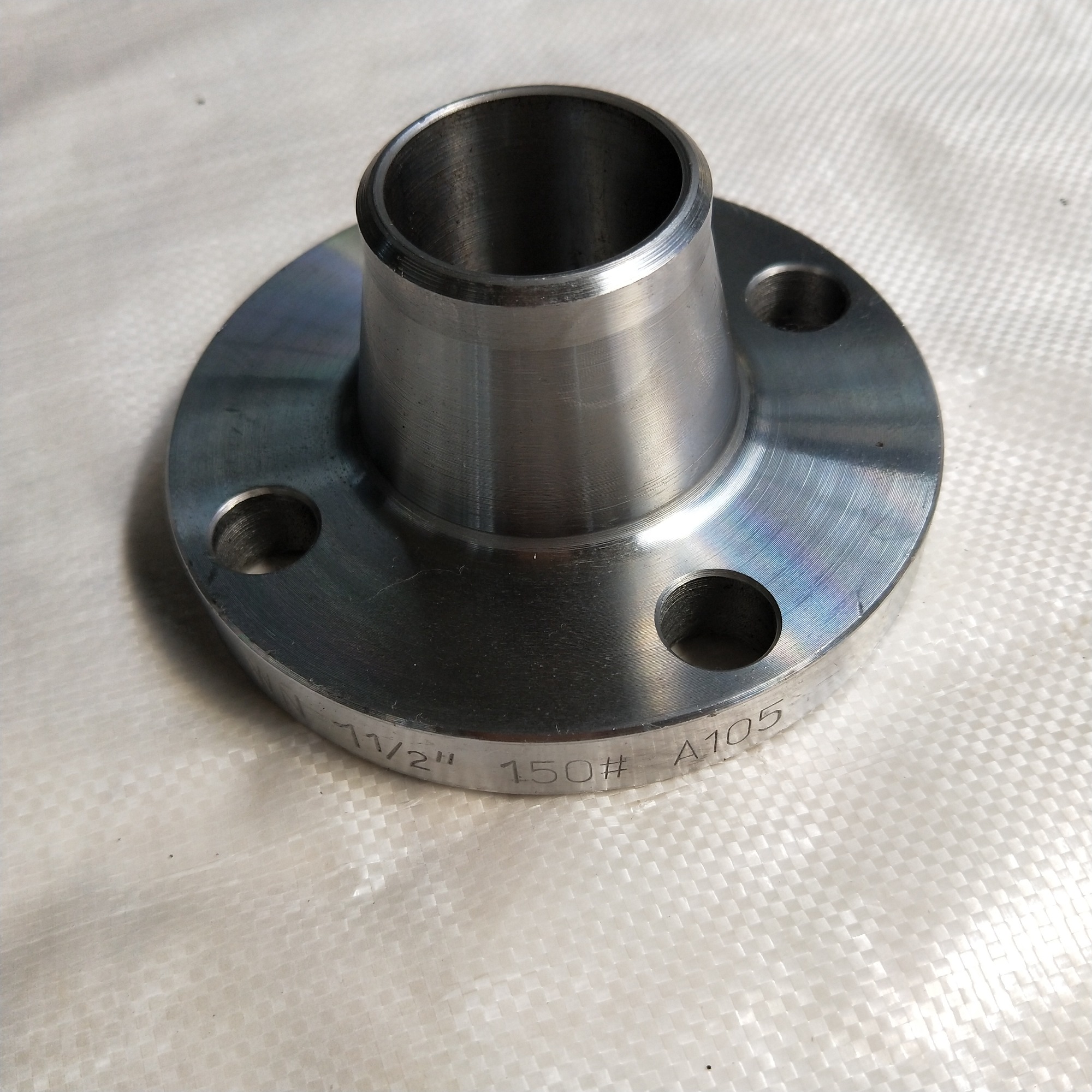 DIN 2634 PN25 Welding Neck Flange
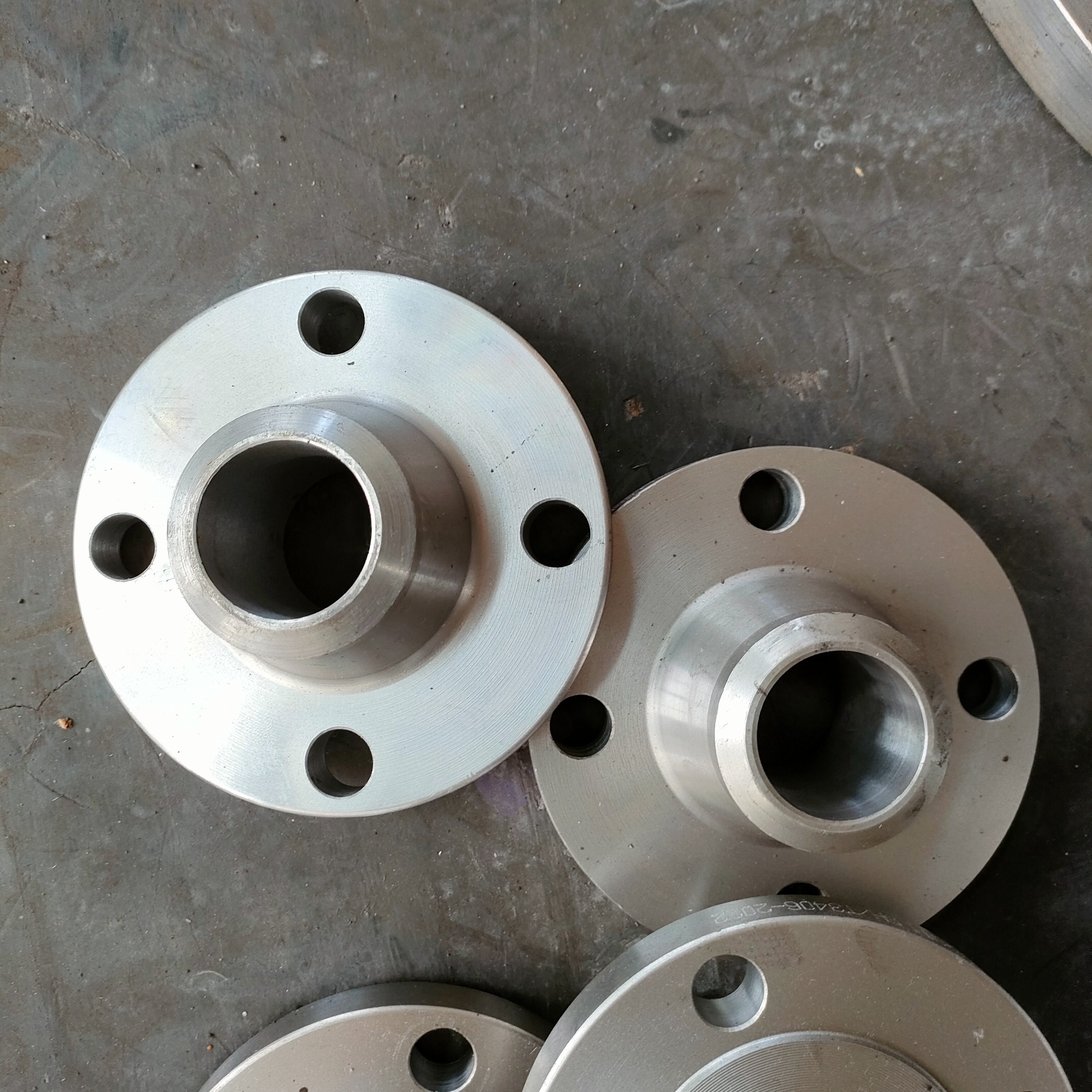 DIN 2632 PN10 Welding Neck/WN Flange Dimensions